
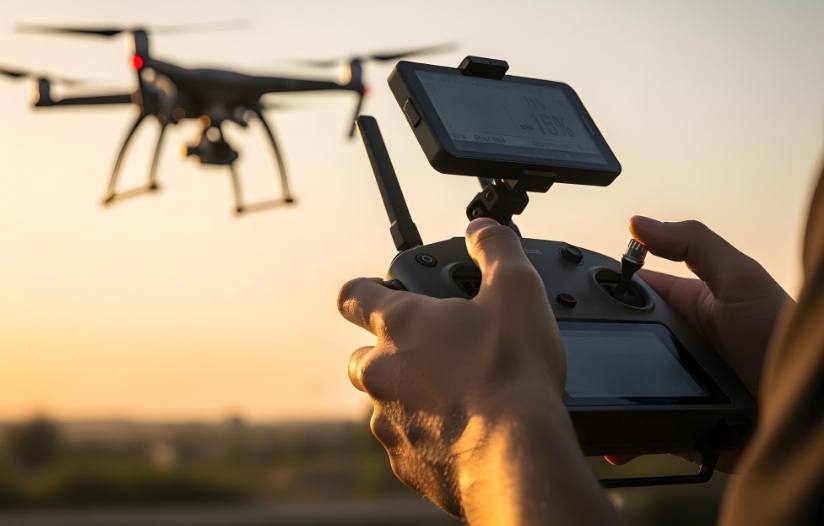
Introduction to Commercial Surveillance Drones In recent years, the use of drones in commercial applications has surged, particularly in the field of surveillance. These unmanned aerial vehicles (UAVs) offer unique advantages, including cost-effectiveness, precision, and the ability to cover extensive areas quickly. As technology evolves, the future of surveillance drones looks promising, with innovations like the heavy lift drone playing a pivotal role in expanding capabilities across various industries. Current Applications of Surveillance Drones Surveillance drones are currently employed across multiple sectors, including agriculture, construction, law enforcement, and environmental monitoring. They provide real-time data collection and analysis, enabling businesses to make informed decisions promptly. For example: Agriculture: Drones are used to monitor crop health, assess irrigation needs, and manage livestock. Construction: Site inspections and progress monitoring are streamlined with aerial views, improving project management. Law Enforcement: Drones assist in surveillance operations, crowd monitoring, and even search and rescue missions. Environmental Monitoring: They help track wildlife, assess natural disasters, and monitor pollution levels. Technological Advancements Driving Future Applications The future of surveillance drones will heavily depend on technological advancements that enhance their capabilities. Innovations such as improved battery life, artificial intelligence, and enhanced imaging systems are paving the way for more sophisticated applications. For instance, advancements in AI will enable drones to analyze surveillance footage in real-time, identifying potential threats or anomalies without human intervention. The Role of Heavy Lift Drones One of the most significant advancements in drone technology is the development of the heavy lift drone. These drones can carry larger payloads, enabling them to transport sophisticated equipment and sensor systems. This capability opens new opportunities for surveillance applications, such as: Infrastructure Inspection: Heavy lift drones can carry advanced imaging tools to inspect bridges, power lines, and other critical infrastructure safely and efficiently. Emergency Response: In disaster situations, these drones can deliver supplies or equipment to hard-to-reach areas, enhancing response efforts. Environmental Surveys: They can transport scientific equipment for environmental assessments, providing valuable data on pollution and wildlife health. Long Endurance Drones and Their Impact Another innovative technology shaping the future of surveillance drones is the long endurance drone. These drones are designed to fly for extended periods, making them ideal for long-term monitoring tasks. Their ability to cover vast areas without needing frequent recharges or landings allows for: Continuous Surveillance: Long endurance drones can monitor critical areas such as borders or wildlife reserves over extended periods, ensuring comprehensive oversight. Data Collection: They can gather data continuously, providing a wealth of information for analysis and decision-making. Cost Efficiency: By reducing the need for multiple flights, these drones can lower operational costs significantly. Challenges and Regulatory Considerations Despite the promising future of surveillance drones, several challenges must be addressed. Regulatory frameworks governing drone usage are still evolving, which can create obstacles for businesses looking to adopt these technologies. Privacy concerns also arise, as public acceptance of surveillance drones is critical for their widespread use. To ensure a balanced approach, stakeholders must engage in discussions about ethical guidelines and regulations. Imagining
View More